Frequently Asked Questions About Oral Cancer Screening
How often should I get an oral cancer screening?
Most adults need an oral cancer screening once a year during regular dental visits.
If you have risk factors like tobacco use, heavy drinking, past mouth cancer, or HPV infection, your dentist may recommend screenings every 6 months.
Your dentist will create a schedule based on your risk factors and needs.
What happens during an oral cancer screening appointment?
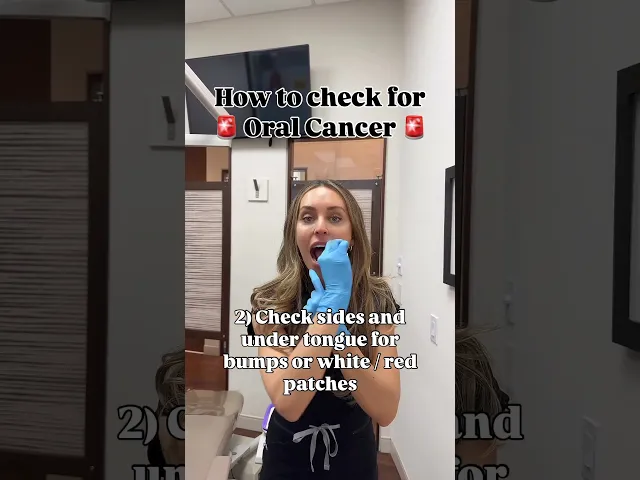
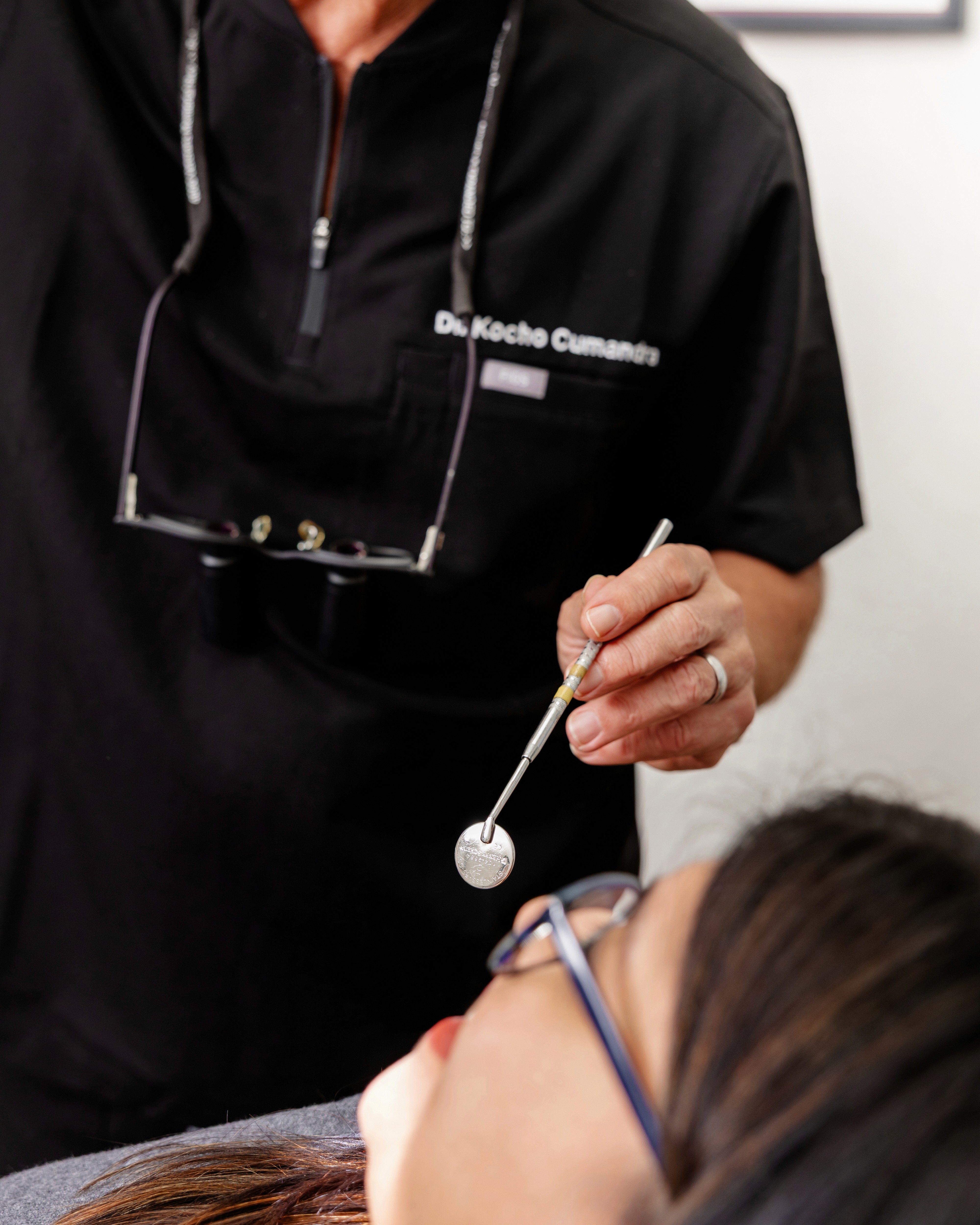
Your dentist will examine your mouth, lips, tongue, throat, and neck, checking for lumps, sores, red or white spots, and colour changes.
We'll also gently feel your mouth tissues, jaw, and neck for lumps, swelling, or abnormalities. The process is quick and comfortable—taking just a few minutes during your regular visit.
Does oral cancer screening hurt?
No, an oral cancer screening doesn't hurt. The check is gentle and completely painless.
Your dentist examines your mouth and gently feels tissues in your mouth and neck. Most patients find it quick, comfortable, and reassuring.
How long does an oral cancer screening take?
An oral cancer screening usually takes 5 to 10 minutes and is done during your regular dental visit. Your dentist will take the time needed to carefully check everything and answer any questions you have.
Is oral cancer screening safe?
Yes, oral cancer screening is completely safe. The screening is a simple check that uses no radiation, needles, or invasive procedures. It's an easy, painless way to find early signs of mouth cancer and other problems.
Regular screenings are an important part of preventive dental care and can save your life.
What should I do before my oral cancer screening?
Just brush and floss before your appointment so your mouth is clean for the check. Bring a list of your current medications and tell your dentist about any risk factors like tobacco use, drinking alcohol, or family history of cancer.
Let us know about any mouth concerns like sores that won't heal, lumps, white or red spots, trouble swallowing, or changes in how your mouth feels or works.
What if my oral cancer screening shows a problem?
If we find anything concerning during your screening, we'll explain what we see in simple, clear language and talk about next steps.
Based on what we find, we may suggest watching the area over time, taking a tissue sample to test it, or sending you to an oral surgeon or specialist for more evaluation.
Finding problems early through regular screenings makes them much easier to treat successfully, so early detection is key to the best results.