Frequently Asked Questions About Root Canals
What is a Root Canal?
A root canal fixes an infection or bad decay inside your tooth. When the soft part inside your tooth gets infected, it can hurt a lot. If not treated, you could lose the tooth.
Root canal treatment removes the infected part from inside your tooth, including:
An infection in the space inside your tooth that has nerves and blood vessels.
Diseased root canals are the small tubes inside your tooth roots where infection can spread.
Harmful germs (bacteria) and decayed material cause infection and pain.
Swollen or dead nerve tissue that causes a bad toothache and makes your tooth sensitive to hot and cold.
Root canals save your tooth and stop the pain. They keep the infection from spreading to other teeth and bone. This helps you keep your natural smile.
What happens during a root canal?
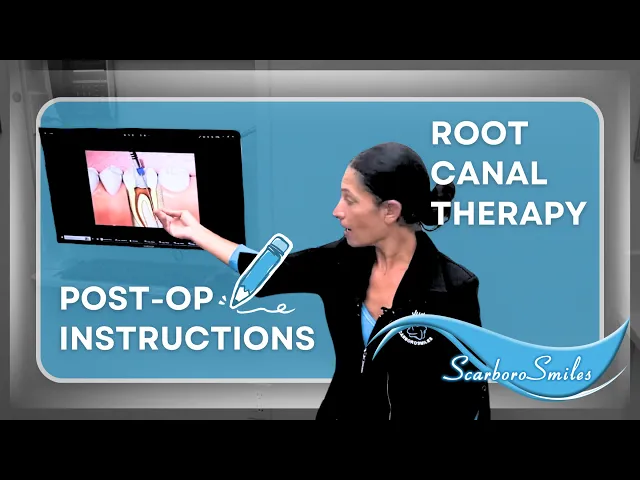
At your appointment, your dentist will numb the area, make a small opening in your tooth, and remove the infected part.
Then we clean, shape, and disinfect the tooth canals. Finally, we fill them with a safe material and seal your tooth to prevent future infection.
Does a root canal hurt?
No, it shouldn't hurt. Your dentist uses numbing medicine so you won't feel pain during the procedure.
Most patients say a root canal feels similar to getting a filling. Any soreness afterward can usually be helped with regular pain medicine (like Tylenol or Advil).
How long does a root canal take?
Most root canals take 60 to 90 minutes. It depends on which tooth needs treatment and how bad the infection is.
Front teeth usually take less time. Back teeth with more roots may take longer. Sometimes you might need a second visit.
Is root canal treatment safe?
Yes, root canals are safe and work very well. We have done this procedure at ScarboroSmiles for many years with great results.
Root canals save your tooth, get rid of infection, stop pain, and keep germs from spreading—all while keeping your natural smile.
What should I do before my root canal appointment?
Before your root canal, follow any instructions we gave you.
Eat a normal meal before your visit since your mouth will be numb after (be sure to clean your teeth after please!).
Tell us about any medicines you take, any allergies, or if you feel nervous about dental care.
What if I have problems after my root canal?
If you have ongoing pain, swelling, or sensitivity after your root canal, call us right away.
Problems are rare, but your dentist will check your tooth. They may suggest more treatment, give you antibiotics, or send you to specialist if necessary.